Planning your first December overland trip: bookings, the vehicle, power and park rules
A practical order of work for a first long trip in the summer holidays, from when national park bookings open to what to check on a loaded vehicle before you leave home.
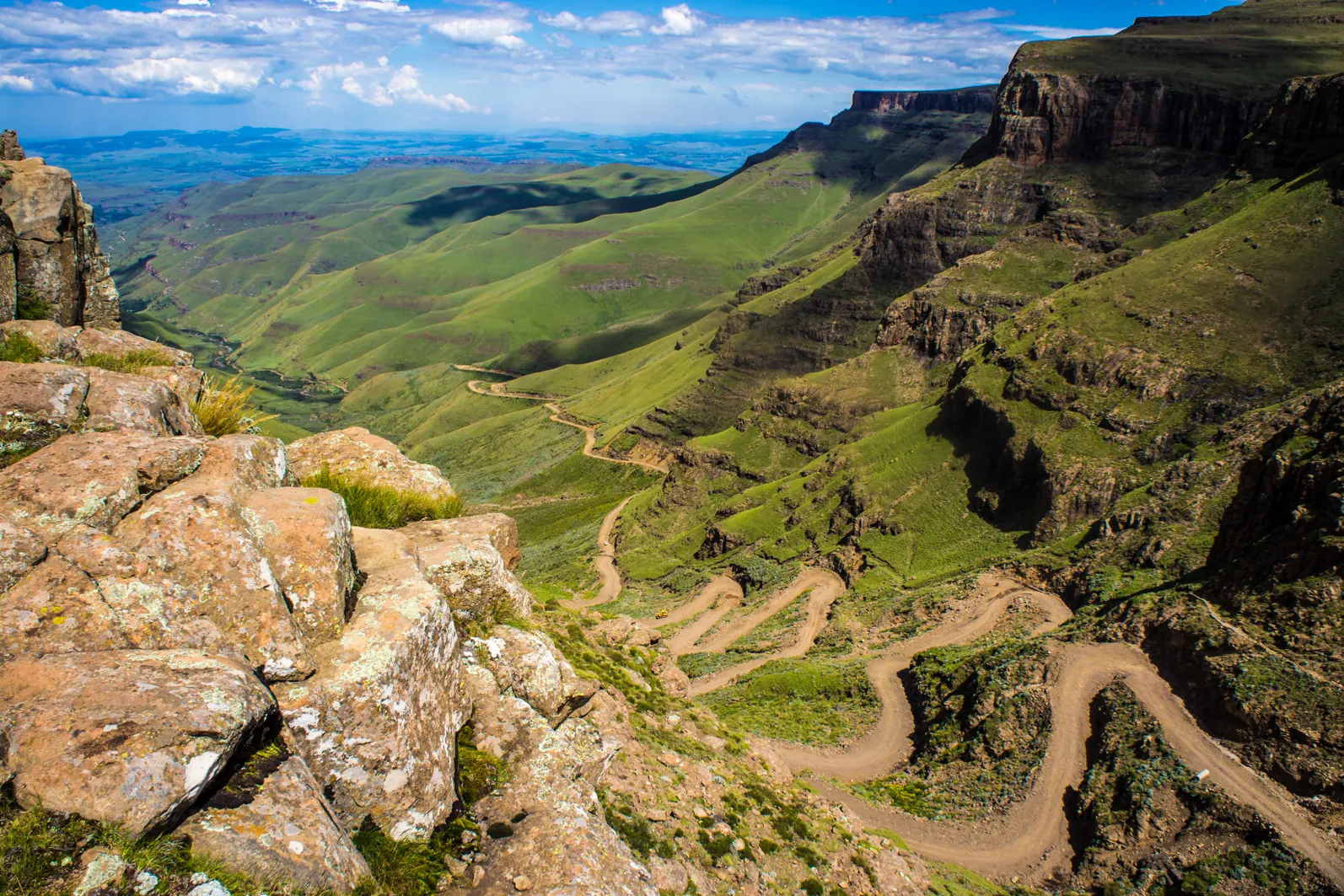
Over the December holidays, expect popular campsites to be full, roads to be busy and the days to be hot. A first overland trip at this time of year goes better if you work through it in a sensible order: bookings first, then the vehicle, then power and water, then the rules of the places you're staying.
Bookings: earlier than you think
The popular national parks and campsites are the first to go. SANParks says its bookings normally open 11 months in advance, with the newest month opening on the first working day of each month. When the school holidays run across two months, SANParks says it will post a date on its website for when bookings for that period open. If you're reading this in October, many December dates in the busiest parks will already be taken, but cancellations do come up, and less-known parks and private campsites often still have space.
Book the overnight stops on long transit days as well as the destination. Arriving after dark isn't an option inside national parks at all (see the rules below).
Browse campsites by province on our camping pages and check each venue's own site before you book: rules on fires, pets, generators and vehicle size vary.
The vehicle: service it, then load it and drive it
Have the vehicle serviced at least a few weeks before you leave, not the week before. That leaves time to order parts if the workshop finds something. Ask specifically for the brakes, the suspension, the cooling system and the tyres, including the spare, to be checked, because a loaded vehicle on long hot stretches works all of them hard.
If you're having accessories fitted for the trip, the same advice applies with more force. Book the fitment early, then pack the vehicle exactly as you'll travel and drive it for a weekend. Rattles, a sagging rear, a fridge that cuts out or a roof load that makes the vehicle wallow in crosswinds are all easier to fix close to home. Our guide to choosing a fitment centre lists the questions worth asking, and builders such as Voetspore Fitment Centre in Pretoria focus on vehicles for long trips.
Weigh it if you can
Add up roughly what you're carrying: people, water, fuel in jerry cans, fridge and food, recovery gear, camping kit and anything on the roof. Compare it with your vehicle's payload and its roof load limit in the owner's manual. A public weighbridge will give you a real figure.
If you're towing
If this is your first trip with an off-road trailer or caravan, check that your licence covers it. Under regulation 99 of the National Road Traffic Regulations, a code B licence allows a trailer with a gross vehicle mass (GVM) of up to 750 kg; a heavier trailer behind a light vehicle needs code EB. Our trailer builder guide explains how to read the trailer's tare and GVM.
Power and the fridge in summer heat
The fridge is usually the biggest load on your second battery, and December heat makes it work harder. Dometic's published figure for its CFX5 45, 0.76 Ah per hour, is measured at 32 °C outside. On a hot December afternoon, and especially inside a closed canopy, your fridge may be working in hotter air than that. Work out your fridge's daily use with some margin, and see our explainer on powering a 12V fridge off-grid for how.
National Luna's fridge manual suggests at least a 100 Ah battery, with 100 to 150 W of solar where 6 to 8 hours of direct sun is available, if solar is your main charging source. If you plan to stay put for several days, you'll need enough solar to replace what you use each day.
Park the fridge in the shade where you can, keep its vents clear, and pre-cool it on mains power at home before you load it.
Water and shade
Plan your water as carefully as your fuel, especially on routes where campsites are far apart. Carry drinking water separately from washing water, and know where you can refill along the way. Shade matters as much as water in December; an awning is the simplest way to get it, but it needs to be pegged down and closed when the wind comes up. Our awning comparison covers what the makers say about wind.
Know the rules where you're staying
If any of your stops are in national parks, the SANParks rules apply, and some of them catch first-time visitors out.
Gate times must be kept, and after-hours driving is not allowed. Plan the day's drive so you arrive well before the gate closes, with time to spare for a puncture or a slow road.
Pets are not allowed in national parks. SANParks says no dogs, cats, birds or other pets may be brought in, with an exception for guide dogs for visually impaired guests by arrangement with park management. If the dog is coming, plan the route around places that accept pets.
Fires may only be made in a fireplace or container provided for the purpose. Collecting or having dry wood or firewood from inside the park is an offence, so buy wood where it's sold or bring your own.
Firearms and other weapons must be declared at the gate, where firearms will be sealed. Vehicles must stay on designated roads, and some roads are closed to caravans or vehicles above a certain size, so check the park's own page before you plan a route with a trailer. Feeding wildlife is a serious offence.
Recovery and getting help
Carry basic recovery gear, know how to use it, and keep it accessible rather than buried under the camping kit. Our recovery basics guide covers the essentials, including why you should never attach a strap to a tow ball.
Tell someone at home your route and your nightly stops, and when to raise the alarm if they haven't heard from you. Cellphone coverage drops away on many back roads, so download offline maps before you go.
A checklist for the last week
Confirm every booking in writing and save the confirmations offline. Pack the vehicle once, fully, and drive it. Check tyre pressures cold, including the spare. Pre-cool the fridge. Fill the water tanks and check them for leaks. Put the recovery gear where you can reach it. Then leave early on the first day, so you're not racing a gate closing time on the last stretch.